


Arthrosis of the knee joint is a complex disease of a degenerative-dystrophic nature that affects the osteochondral part of the knee.The disease most often affects the knee region of the lower extremities.Pathological changes in cartilage and periarticular areas, which in most cases develop against the background of injuries, biological aging of the body and autoimmune diseases, seriously inhibit the musculoskeletal potential of the legs.The joint becomes rigid, loses stability, normal motor capacity and shock absorption.As a result, it gradually deforms and in the final stages completely fails.
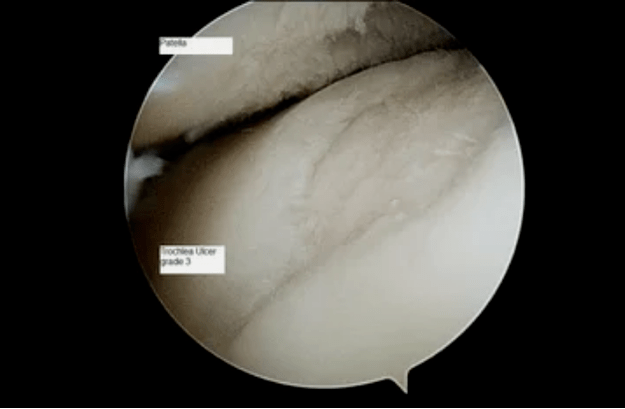
Degenerations in joint tissues manifest not only in the form of physical dysfunction of the lower extremities, but also in the form of severe pain.In severe cases, the pathology causes disability and, in some cases, leg paralysis.Due to such a disappointing prognosis, it is important to identify the disease as early as possible and immediately begin treatment.
Important information about the disease
Before studying the treatment tactics, it is important for the patient to familiarize himself with the material below in order to have complete information about the mechanism of origin and clinical manifestations of the pathology.Let's immediately note that arthrosis and arthritis are closely related, since the disease in question is a consequence of an arthritic disease.But where do the unfortunate diseases that mercilessly destroy the most important bone connection come from?How serious is gonarthrosis and by what manifestations can it be recognized?
Causes of osteoarthritis
Degenerative-dystrophic pathogenesis is “triggered” by the following provoking factors:
- previously suffered injuries - shin fractures, knee dislocations, damage to the body of the meniscus, ruptures and ruptures of ligaments, falls on the knees, all types of bruises;
- excessive physical activity;
- sedentary lifestyle;
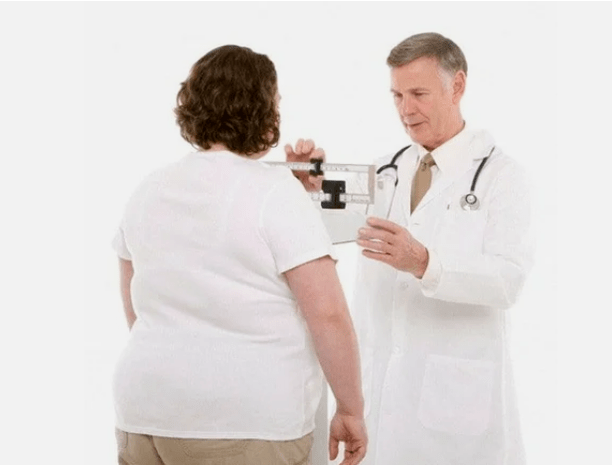
- high body mass index;
- systemic pathologies such as rheumatoid, gouty, psoriatic, systemic lupus erythematosus;
- genetically inherited weakness of the ligamentous-muscular system or congenital underdevelopment of the structural elements of the joint;
- metabolic and blood flow disorders;
- hormonal imbalance, diabetes mellitus and other endocrine pathologies;
- past or chronic infectious and inflammatory diseases.
Often, people themselves are responsible for the development of intractable joint diseases.Often, after an injury, they ignore contacting a specialist, preferring to be content with the first available painkillers, homemade lotions and the like.And several years later, due to inadequate treatment carried out in the past, they come to the doctor already with gonarthrosis, at best - of moderate severity.And here, just physical prophylaxis and analgesic ointments, as in the initial course, will not be enough;It is often necessary to act radically, using surgical tactics.
Stages of destruction
In orthopedics, this disease is divided into stages, following which the specialist proceeds when drawing up a treatment regimen.The degree, nature, location and nature of the origin of the destruction of the knee bone joint are identified through a series of diagnostic measures, such as radiography, MRI, CT, ultrasound and various types of blood and urine tests of the patient.
We cannot talk about quality treatment without detailed information about the condition of the knee joint and the characteristics of the patient's body, as well as without visiting a doctor and receiving appropriate therapeutic recommendations from him.Therefore, if you want to improve your quality of life, be sure to consult an experienced specialist;Only he can tell you whether you can survive with qualified conservative help or whether only surgical intervention will be effective for your problem.
The pathology has several stages of development;according to Kellgren's classification, there are only four of them.All of them characterize the severity of morphological changes (presence of osteophytes, decrease in the volume of articular cartilage and the degree of its thinning, narrowing of the joint space, etc.) and clinical signs (limited flexion/extension, indicator of weight bearing, nature and intensity of pain, etc.).
- First stage arthrosis This is a disease that is only in its infancy.External symptoms are mild or absent, the congruity and shape of the joint are satisfactory.Radiographs or MRI photos show small marginal osteophytes along the edges of the articular surfaces, in the subarticular region there is subtle subchondral osteosclerosis and small bone cysts.The joint space is usually normal or altered, but not significantly so.
- In case of illness second degree, in addition to the indicators above, the osteosclerotic focus is more pronounced and the narrowing of the interarticular space is clearly visible.The patient begins to feel stronger and more frequent pain when walking, going up/down stairs, standing for a long time, sometimes at night.Lameness develops, movements in the joint become inferior, especially during flexion.
- Third stage characterized by a marked progression of irreversible degeneration and deformation.The configuration of the joint is noticeably distorted, the distance between the articular surfaces is significantly reduced, and bone growths in the form of spikes are of increased size.The pain becomes prolonged and pronounced, bothers the person even at rest and the lameness worsens.Dependence on support devices and external help appears.
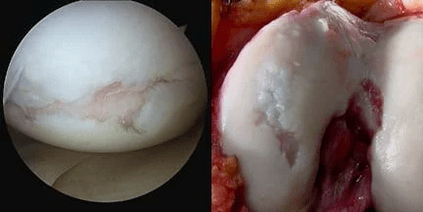
- Fourth stagedegenerative-dystrophic pathogenesis, when there are bulky osteophyte growths, the hyaline cartilage is completely destroyed, the joint space disappears or is barely visible, the epiphyses of the articulated bones that form the joint are severely deformed.The knee joint is recognized as a completely non-viable organ of the musculoskeletal system and the person becomes disabled.
Symptoms and complaints
The severity of clinical manifestations depends not only on pathomorphological characteristics, but also on individual factors.In any case, there is little pleasure in gonarthrosis;it is very difficult to endure both the 2nd and 3-4th stages.The general list of symptoms includes:
- pain syndrome, mainly of the mechanical type (dull, aching, sharp, sudden, periodic and constant);
- the appearance of a crunch when moving;
- joint stiffness;
- limitation of range of movement;
- limb muscle weakness;
- hyperthermia of the skin and swelling in the knee area;
- changes in gait, manifested by lame and wobbly legs;
- instability or drawer syndrome;
- “Lock” of the knee, which occurs when the movements of the bone joint are suddenly blocked.
Important! Conservative treatment of arthrosis of the knee joint will not help if the disease has a complicated course, which can already happen, in the worst case, in the second stage of development of osteochondral degenerations.Unlike traditional conservative therapy and alternative methods, without exception, surgery for severe gonarthrosis of 2-3-4 degrees is the only way that for a long period of life helps to significantly improve the quality of life.
Conservative treatment
Non-surgical treatment methods are appropriate in the initial phase of deforming osteoarthritis.The principle of non-surgical treatment involves:
- systematic implementation of exercise therapy developed by an individual professional;
- carrying out physiotherapy procedures;
- the use of painkillers in the form of ointments, tablets, injections, etc.;
- adequate nutrition and adherence to a special diet prescribed by a doctor;
- adherence to a special regimen of daily physical activity;
- complete cessation of bad habits;
- unquestionable passage of repeated diagnostic controls;
- annual visit to a specialized sanatorium-resort medical institution.
Surgery for osteoarthritis of the knee joint
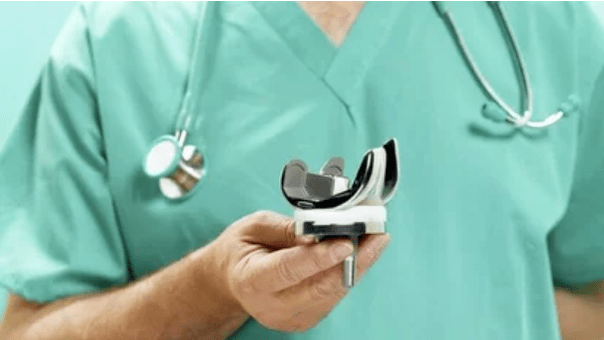
Now let's get to know the surgical methods, which are often necessary, as at an early stage the pathology often goes unnoticed.Basically, we have to deal with osteoarthritis in full bloom, which has extensively affected the joint structures and affected the periarticular matter.
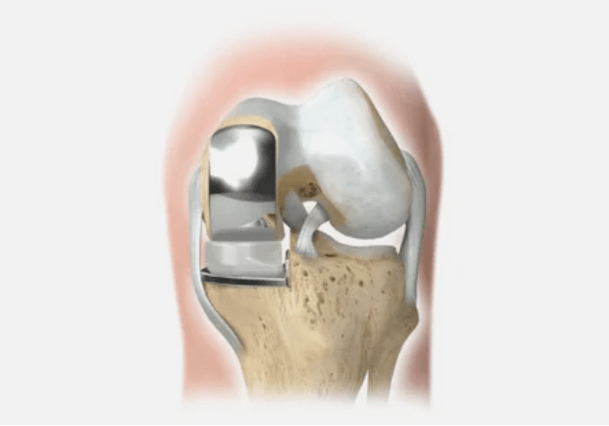
- Endoprostheses – helps in more than 95% of cases to restore as completely as possible the lost locomotor and support functions of the knee of the lower limb.The operation is not easy, followed by difficult rehabilitation, but the effect is worth it.Approximately 3 months after installing an artificial analogue instead of the native joint, which has undergone irreversible pathological changes, the full range of motion of the leg returns and the pain syndrome is completely eliminated.
- Arthrodesis – unusual procedure for “closing” the joint, due to its aggressive effect on biological structures, but sometimes it also occurs, for example, if the person does not have the opportunity to have the implant.Its essence lies in the removal of the articular surfaces and the fixed connection of the articulated bones with each other using special fixation devices in an advantageous position.Over time, a natural fusion of the listed elements occurs.Artificial ankylosis completely blocks the mobility of the joint, but allows the limb to have good weight-bearing capacity and reduce pain.
- Knee osteotomy – is also used in extreme situations, for the same reason as arthrodesis, especially when it is necessary to postpone the endoprosthesis for several years.During the surgical session, the specialist creates an artificial fracture, sanding the bones and positioning them at the most correct angle to advantageously distribute the load over the cartilaginous elements.
Irreversible pathogenesis cannot be corrected by physical exercise, you must understand this.Ointments and even medicines from the chondroprotective series, not to mention grandmother's advice to treat with gelatin, will also not play a special role.The most they can do to help in an advanced situation is to prepare the musculoskeletal system for the next operation.
Modern knee implants can withstand normal daily stress and function perfectly for at least 15 years, and often for 20 to 25 years.A person can even play some sports with a replaced joint.
Stage 3 Treatment
In stage 3 osteoarthritis, surgery is performed.The changes in articulation are very pronounced;At this stage, the disease extremely reduces the patient's standard of living and performance.Osteochondral damage has reached a critical point where the bony junction tissues do not represent any functional significance.The hyaline cover is almost completely destroyed.
- Important cartilage does not repair itself, including through non-surgical methods.
- The exposed, flattened surfaces of the interacting bone ends exert unnatural pressure on each other, constantly rubbing against each other, severely injuring nearby soft tissues and becoming even more deformed every day.
- The person experiences terrible pain, not to mention the loss of the ability to walk normally.Patients experience daily torment, when sleep is not a joy and during the day there is no rest from pain.Only a few people report a relatively tolerable condition.
- Anti-inflammatory analgesics, as a rule, have a mild effect, but most often they do not “work”.There is no point in using chondroprotectors, as strengthening and nourishing the scarce remains of cartilage will not save the situation.
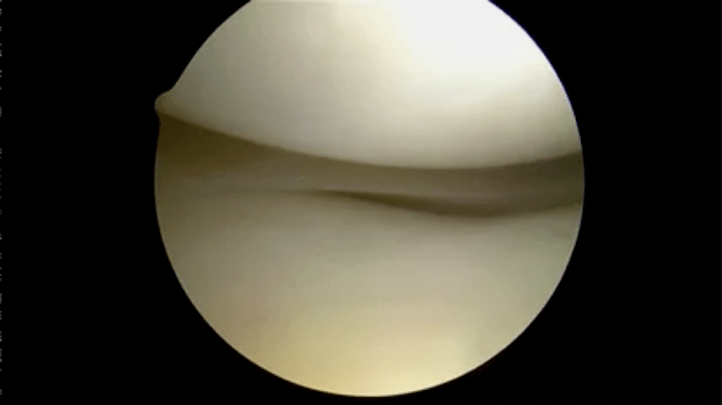
Sometimes they try to treat the consequences of grade 2-3 arthrosis with minimally invasive surgery (arthroscopy), during which marginal osteophytes can be removed, as well as ruptured osteochondral fragments can be removed from the joint cavity.Such manipulations, as evidenced by reviews, somewhat alleviate the patient's condition and slightly improve motor function, but temporarily.Osteoarthritis in the knee joint remains active and will manifest itself again in the near future.
The pathogenesis of 3-4 degrees is a very serious problem, which can only be solved with much more complex reconstructive and plastic surgical tactics.To date, there is no procedure that compares to endoprosthesis.Replacing the knee joint with a prosthesis that completely reproduces the mechanical characteristics, configuration of shapes and sizes of a natural organ will allow you to say goodbye to both the ill-fated pathology and the disability with which it “awarded” you.
The disease progresses quickly and can go from the moderate-to-medium stage to stage 4 in a matter of months.Surgery should be performed as early as possible, before degenerative processes penetrate deep into the bone.Severely damaged bones can make it difficult to place an endoprosthesis.
Many, not fully realizing that the severity of the degeneration that has occurred is incomparable with conservative and unconventional tactics, try in every way to circumvent the operation, swallowing pills by handfuls, applying ointments to the painful area.Someone turns to osteopaths, private doctors who practice all kinds of alternative techniques.Unfortunately, you cannot go against nature, healing will not come after them and you need to accept this fact.Therefore, discard meaningless ideas and act prudently.
Your physical fitness depends entirely on your decision!You may continue to suffer from stiffness and pain throughout your life, trying in vain “empty” treatment methods: non-standard medications and remedies that have no evidence of effectiveness for the severity of your illness.Or you can undergo surgical treatment and begin living a full life, free from past suffering and assistive devices.
There is no need to worry about surgical intervention;Modern technologies have advanced a lot and today knee joints are brilliantly replaced abroad with long-lasting implants.After this implant, carried out in a good clinic, the risk of complications is minimal (1-2%) and restoration of mobility functions occurs in more than 95% of cases.After joint replacement, a 3-4 month rehabilitation course will follow, including:
- physical recovery through special therapeutic exercises;
- take medications (antibiotics, antithrombotics, etc.);
- a physiotherapy program including myostimulating, anti-inflammatory, analgesic and healing procedures;
- massage sessions (in the later stages of rehabilitation).
Good to know! In stage 1, the disease can be stopped and prevented conservatively.If you do nothing and start arthrosis of the knee, allowing it to move from stage 1 to stage 2, drug treatment will be much more problematic, but for a certain category of patients a non-surgical approach is still appropriate.The last two steps are always one operation.
2 degree treatment
With gonarthrosis of moderate severity, quality of life is already significantly impaired.A sore knee is more of a concern, the pain syndrome manifests itself more frequently and more intensely than at the beginning of the disease.The pain is especially pronounced immediately upon waking up in the morning, when going up and down stairs.There is often an unpleasant feeling of numbness that appears after prolonged walking or standing in the same position for a long time.Flexion in the knee region is reduced, the patient is unable to bend the leg, as required by physiology.The person begins to spare the limb, trying almost not to step on it, which is why gradual muscle atrophy occurs.
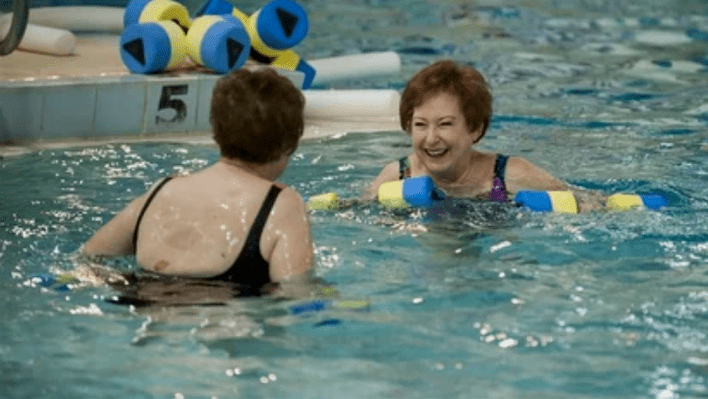
We emphasize that treatment necessarily involves a qualified and comprehensive approach.
- If the doctor does not see an urgent need for surgery, the priority is to reduce the load on the problem area.If you are overweight, to ensure good relief for the joint affected by osteoarthritis, it is essential to adjust your body weight by following the diet recommended by your doctor.
- All patients are prescribed the use of special orthopedic devices during movement.This, depending on the existing problem, may include knee braces, compression garments, elastic bandages, a cane, crutches or a walker.
- In addition, the orthopedic traumatologist will prescribe a unique set of exercises that will help strengthen and increase the endurance of the muscles of the affected limb.
- In addition, osteoarthritis in mild to moderate manifestations involves the use of medications that include substances present in the cartilaginous tissues of the knee.These include formulations based on chondroitin sulfate, hyaluronic acid injections and glucosamine preparations.They cannot restore cartilage, but saturate it with nutritional components, so that remission of the disease can be achieved.
- Physiotherapy procedures are also recommended, but are used only after all signs of inflammation have disappeared.Physical sessions, for example laser, magnet or ultrasound, must take place within the medical facility.Thanks to physiotherapy, nutrition and metabolism of bone, muscle and cartilage tissues improve.If you purchased a vibroacoustic device for home use, first ask a specialist about the possibility of using it for your diagnosis and the operating characteristics of the device.
We review the basic principles on which the official treatment of osteoarthritis is based, meeting orthopedic standards.Since many people with stage 2 osteoarthritis are very interested in alternative methods, looking for salvation in them, we suggest getting to know the most popular of them.And let's find out if they are as unique as they are presented to us on the Internet.
Stem cells for knee treatment
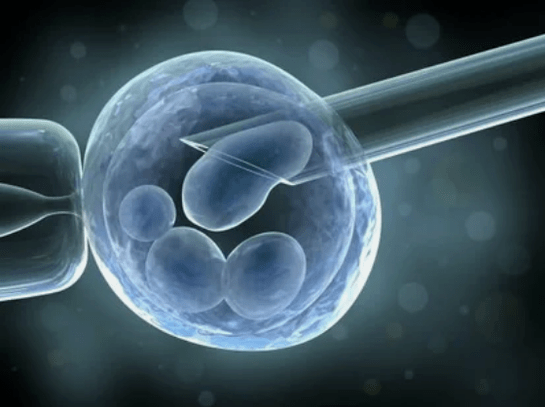
We will talk about autotransplantation of mesinchemal stem cells for patients with knee gonarthrosis, taken from the pelvic crest or femur.Cell therapy, according to interested sources, will achieve almost self-renewal of the entire joint, activating regenerative self-healing processes in the damaged segment.Thanks to this technology, it is theoretically possible to obtain improvements in the constituent units of the osteochondral organ.However, in practice, there is still no “living” radiographic evidence confirming that after the introduction of stem cells into the affected area, the joint became healthy.
The positive effect of stem cells on joints and bones has not been proven and is highly doubtful, as this technique has not yet been recognized in orthopedics.Scientists are just studying and experimenting with this.In addition, there is information about the unsafe effect of stem cells on the human body, which, according to highly competent experts, can provoke cancer.What about those people who paid for the procedure and were satisfied with the result?Here we can only say one thing: many patients will believe in eternal life for this money, but the placebo effect does not last long, do not forget about that too.
Mud treatment
Therapeutic mud sources containing unique components (magnesium, chromium, iodine, bromine, calcium nitrate, etc.) help reduce painful symptoms, increase blood flow to diseased areas and stimulate metabolism.They are of greatest value for people with a mild stage of the disease or patients who have already undergone leg surgery.It is also allowed to carry out level 2 mud therapy if the doctor believes that a natural remedy in combination with the main treatment program will reduce the aggression of pathological phenomena (stop progression) and improve the general clinical picture.Mud therapy is practiced in special health resort-type medical institutions.Natural healing muds based on peloids are used in the form of applications and in combination with the galvanization method (electrophoresis).
Uses of gelatin

Natural gelatin is a safe product that helps keep joint structures in good condition.The gelatinous substrate, diluted in water, is recommended for internal consumption.According to reviews by some doctors, gelatin will have a faster and more productive effect on bones, cartilage and musculo-ligamentous elements.Experts emphasize that this method does not have medicinal properties, it only helps prevent osteoarthritis.Consequently, in the case of already established pathogenesis, gelatin treatment in the absence of pathology or in the initial stages can be considered only as a measure to prevent the appearance or progression of degenerative-dystrophic changes.When the disease is moderate and severe, this approach will not work for preventive purposes.
Ayurveda for joints
Modern alternative medicine is known for many extraordinary trends, including Ayurvedic treatment of various parts of the musculoskeletal system.According to this unofficial theory, joint damage is associated with excess toxins accumulated in the body due to energetic disharmony.The harmful mechanism of disturbed energy balance (Vata) is mainly the weakening of Agni, or digestive fire, which leads to the accumulation of undigested food waste (Ama) in the intestines.They secrete toxins, which the blood carries to the joint, where harmful substances settle and inhibit metabolic processes.
According to Ayurveda, osteoarthritis is classified into several types, and each type has its own treatment system, the basis of each of them is diet, herbal medicine, taking Ayurvedic tablets and powders, yoga and breathing exercises, unconventional massage, self-training for healing, etc.irreversible deformities?!
Salt compresses
Salt is used to prepare a saturated saline solution, which is used to impregnate compresses that are applied to the sore spot for several hours.This therapy should not be considered an independent remedy, much less a panacea for gonarthrosis.Salt can temporarily relieve pain, relieve swelling of the soft tissues covering the bone structure, without harming the biological structures.But it won't cure the disease and it won't get the patient back on their feet!Its effect is purely symptomatic.The solution is prepared at the rate of 100 g of salt per 1 liter of water at room temperature.
It's worth checking out! Sometimes salt is used in dry, heated form, which is placed in a bag, and local warming of the knee is carried out.Sometimes I eat moist but warm bandages.Hot procedures are dangerous in case of purulent inflammatory processes in the joint cavity;they will only worsen the clinical picture.Therefore, do not use such recipes without making sure that the injury is not accompanied by a similar process.